

Hear from Our Customers
You notice the musty smell after it rains. Maybe someone in your house can’t stop coughing, but they’re fine once they leave for the day. Or you’re buying a home in Bucks County and want to know what you’re actually getting into.
Mold doesn’t always show itself. It hides behind walls, under flooring, inside HVAC systems where you’ll never see it without the right equipment. A home improvement store test kit won’t find it. Walking through with a flashlight won’t either.
Professional mold testing uses calibrated equipment and lab analysis to identify what species you’re dealing with, how much is there, and whether your indoor air quality is worse than what’s outside. You get results in three to five business days from a nationally recognized lab, plus a clear explanation of what it all means. No guessing. No wondering if that discoloration is just dirt or something worse.
We’ve been helping Bucks County residents deal with mold for years. We’re local, we know the area, and we’ve seen what happens when Pennsylvania’s rising precipitation levels create the perfect conditions for mold growth.
We use state-of-the-art equipment like moisture meters and infrared cameras to find problems you can’t see. We follow EPA-approved methods and work with certified labs that specialize in mold analysis. If the mold is minor and you can handle it yourself, we’ll tell you. We’re not here to sell you services you don’t need.
Edison homes deal with basements that stay damp, attics with poor ventilation, and crawl spaces that trap moisture. We’ve tested hundreds of properties across Bucks, Montgomery, Delaware, and Chester counties. We know what to look for and how to explain it in plain terms.
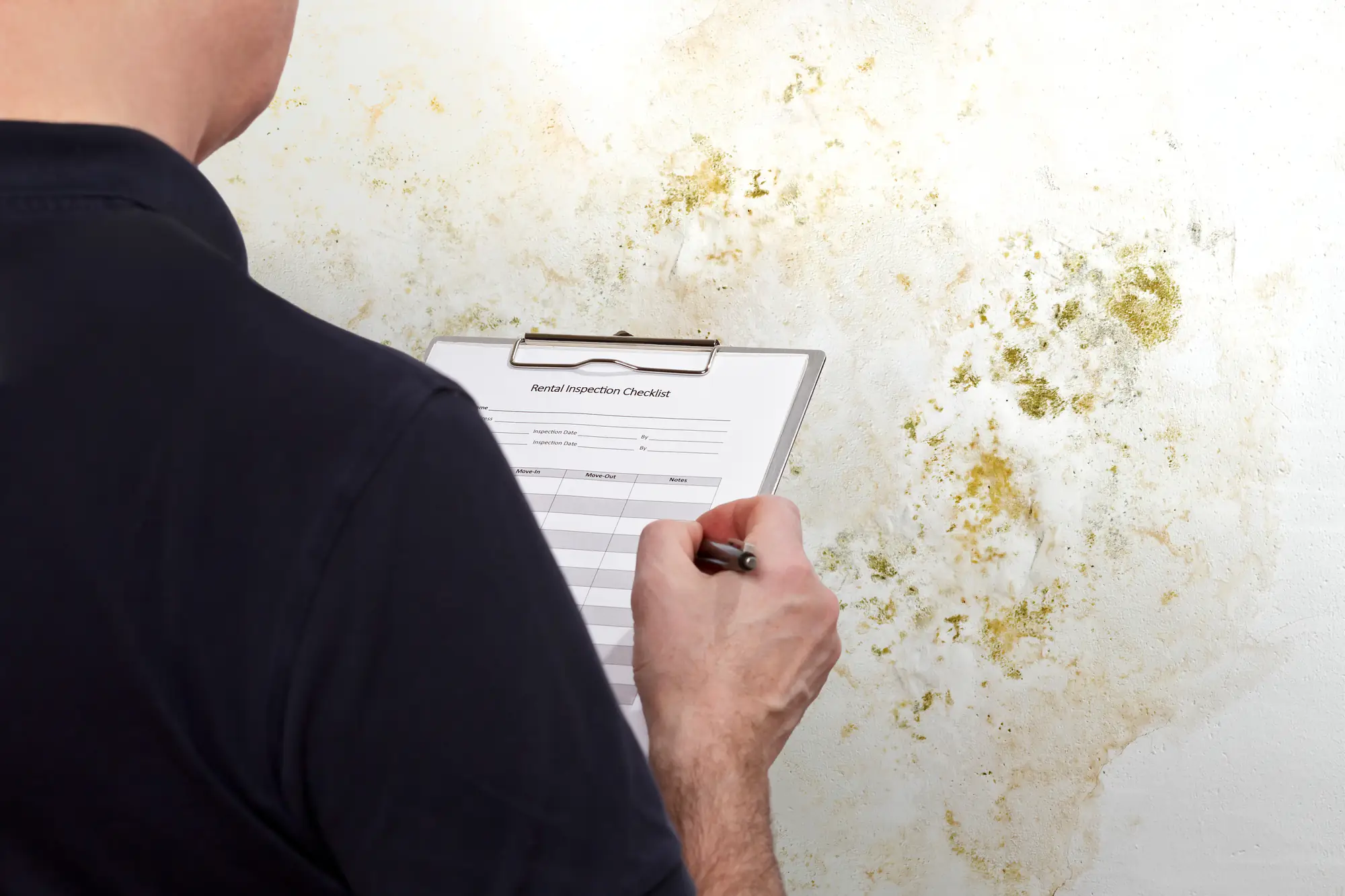
First, we walk through your property and look at the areas where mold typically grows: basements, bathrooms, attics, crawl spaces, around windows, and anywhere water damage has occurred. We’re checking for visible mold, water stains, condensation, leaks, and poor ventilation.
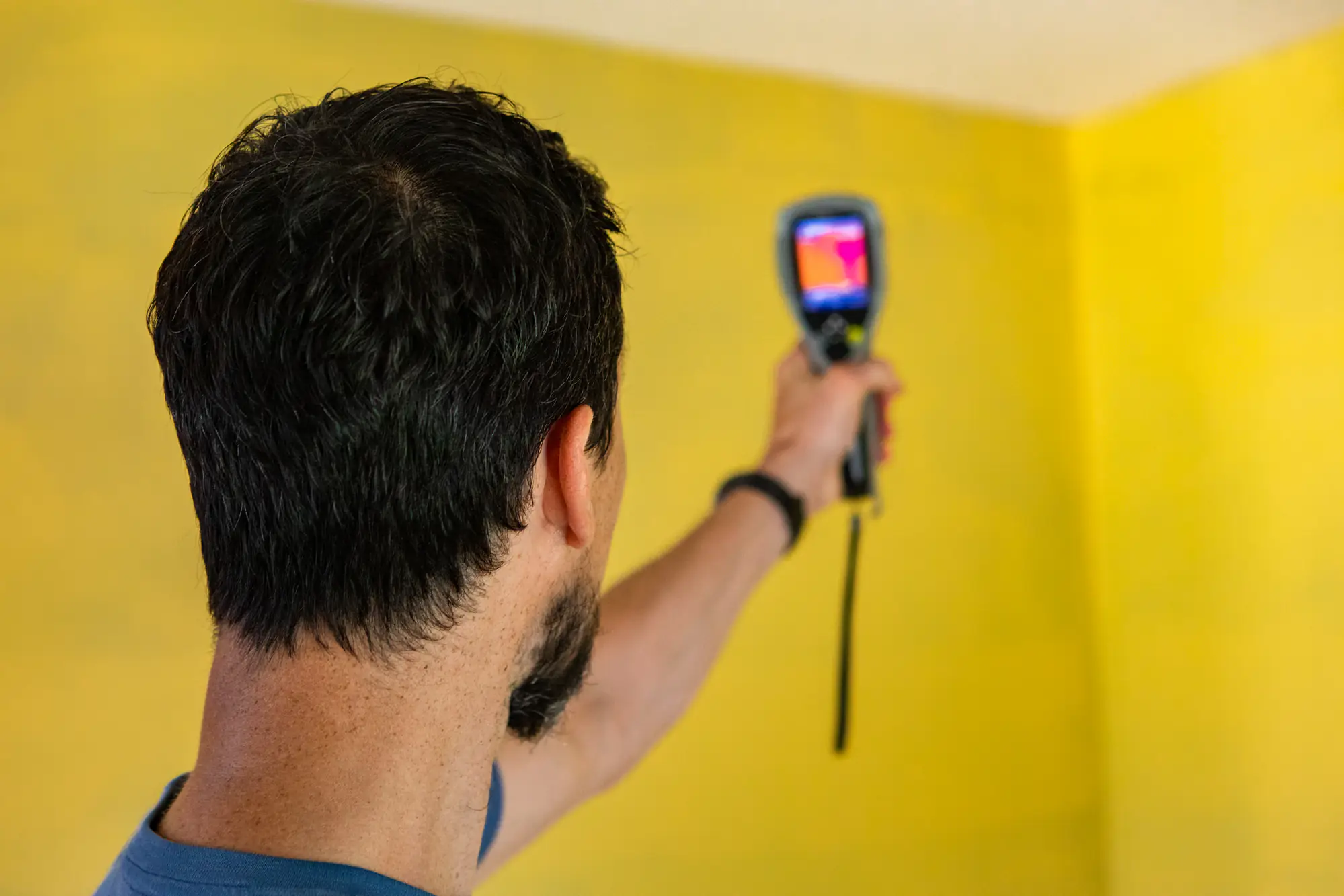
Then we use moisture meters to measure humidity levels in walls, floors, and ceilings. Infrared cameras help us spot hidden water sources behind surfaces where mold could be growing out of sight. If we find areas of concern, we collect air samples and surface samples to send to the lab.
The lab analyzes what species of mold are present and measures the concentration levels. They compare your indoor air quality to outdoor levels to determine if you have a problem. You get a detailed report that breaks down exactly what’s in your home and what it means for your health and property. From there, we can discuss whether you need remediation or if it’s something manageable on your own.

Ready to get started?
You get a complete inspection that covers every area where moisture accumulates. We check basements for water intrusion, crawl spaces for standing water, attics for roof leaks and ventilation issues, bathrooms for exhaust problems, and HVAC systems for mold growth inside ductwork.
We use professional-grade equipment that detects moisture and temperature variations behind walls and under floors. The testing includes both air sampling and surface sampling when needed, sent to an independent lab that specializes in mold identification. You’re not relying on our opinion alone—you’re getting certified lab results.
Bucks County has seen a 5% to 10% increase in precipitation recently, which means more homes are dealing with moisture problems that lead to mold. Older homes in Edison often have basements that weren’t built with modern waterproofing, and that creates ongoing issues. We document everything with photos, moisture readings, and lab reports that you can use for insurance claims or real estate transactions.
You also get honest recommendations. If your mold problem is small enough to clean yourself with proper safety equipment, we’ll tell you how. If it’s extensive and requires professional remediation, we’ll explain why and what needs to happen. The goal is to give you accurate information so you can make the right decision for your property and your budget.
Home test kits from hardware stores only tell you if mold spores are present, which isn’t particularly useful since mold spores exist in every home. They can’t tell you what species you’re dealing with, how much is there, or whether it’s a health risk. They also can’t find hidden mold behind walls, under flooring, or inside HVAC systems.
Professional mold testing uses calibrated equipment to measure moisture levels and temperature variations that indicate hidden growth. We collect samples from specific problem areas and send them to a certified lab that identifies the species and measures concentration levels. The lab compares your indoor air quality to outdoor levels to determine if you actually have a contamination problem.
If you’re seeing visible mold, smelling persistent musty odors, experiencing health symptoms that improve when you leave the house, or dealing with recurring moisture issues, a home kit won’t give you the answers you need. Professional testing gives you documentation for insurance claims, real estate transactions, and remediation planning. It’s the difference between guessing and knowing.
Lab results typically come back within three to five business days after we collect the samples. The lab needs time to culture the samples, identify the species, and measure concentration levels accurately. Rushing this process would compromise the accuracy of the results.
Once we receive the lab report, we review it and then walk you through what everything means. The report includes the types of mold found, the concentration levels in your indoor air, a comparison to outdoor air quality, and whether the levels indicate a contamination problem. We explain which species are present and whether any of them are known to cause health issues.
If you’re in the middle of a real estate transaction or dealing with an urgent situation, we can request expedited processing from the lab, though that may involve additional fees. In most cases, three to five days is fast enough to make informed decisions about remediation or property purchases without compromising the quality of the analysis.
“Black mold” usually refers to Stachybotrys chartarum, which has a reputation for being particularly dangerous. While it can produce mycotoxins that cause health problems, it’s not the only mold species that poses risks. Aspergillus, Penicillium, and Cladosporium can also trigger allergic reactions, asthma attacks, and respiratory issues.
The color of mold doesn’t tell you much about how dangerous it is. Black mold isn’t always black—it can appear dark green or gray depending on what it’s growing on. Other mold species can also appear black. You can’t identify mold species by looking at it, which is why lab testing matters.
What’s more important than the species is the concentration level and your personal sensitivity. Some people react strongly to mold exposure while others don’t notice symptoms until levels are very high. Professional testing identifies exactly what’s growing in your home and measures how much is there, so you can make decisions based on facts rather than fear. Any mold growth in your home indicates a moisture problem that needs to be addressed, regardless of the species.
Mold testing identifies what’s growing and how much is present, but the inspection process is what finds the moisture source. When we test your home, we’re not just collecting samples—we’re looking for water damage, leaks, condensation, poor ventilation, and humidity problems that create conditions for mold growth.
We use moisture meters to measure water content in walls, floors, and ceilings. Infrared cameras detect temperature variations that indicate hidden water intrusion behind surfaces. We check common problem areas like basement walls, crawl spaces, attics, around windows and doors, under sinks, near water heaters, and anywhere plumbing runs through your home.
In Bucks County, common moisture sources include foundation cracks that let groundwater seep in, poor grading that directs rainwater toward the house, roof leaks from aging shingles, condensation from inadequate attic ventilation, and plumbing leaks that go unnoticed for months. We document where the moisture is coming from so you can fix the root cause, not just clean up the mold. If you only address the mold without fixing the moisture problem, it’ll come back.
Mold testing costs vary based on the size of your property, how many areas need to be tested, and how many samples we need to collect for accurate results. A basic inspection for a smaller home might cost a few hundred dollars, while a comprehensive assessment of a larger property with multiple problem areas will cost more.
The testing fee typically includes the on-site inspection, moisture readings, sample collection, lab analysis, and a detailed report with our recommendations. Some companies offer free inspections but build the cost into remediation services, which can create a conflict of interest. We provide upfront pricing so you know what you’re paying for.
Consider that the average mold remediation project costs around $2,200, with most falling between $1,100 and $3,300. Professional testing before you have a major problem can save you money by catching issues early when they’re cheaper to fix. It’s also worth noting that mold problems can drop your property value by 20% to 37% if you’re trying to sell, and about half of potential buyers will walk away once they learn about mold. Testing is a small investment compared to those potential losses.
Yes, you can stay in your home during mold testing. The inspection process is non-invasive and doesn’t create any safety hazards. We’re collecting air samples and surface samples, not disturbing mold growth or creating airborne spore problems. The testing itself doesn’t make your indoor air quality worse.
After testing, whether you should stay in your home depends on what the lab results show. If mold levels are low and you’re not experiencing health symptoms, there’s usually no reason to leave while you arrange for remediation. If levels are high and people in your household are having respiratory issues, allergic reactions, or other health problems, it may be worth staying elsewhere until the problem is addressed.
Mold remediation is when you’d need to consider temporarily relocating, especially if the work involves removing contaminated materials or using air scrubbers to filter spores. But that decision comes after testing, once you know what you’re dealing with. We’ll walk you through the results and give you honest guidance about whether the situation requires immediate action or if you have time to plan the next steps without health risks.
Other Services we provide in Edison